
Gambling Disorder
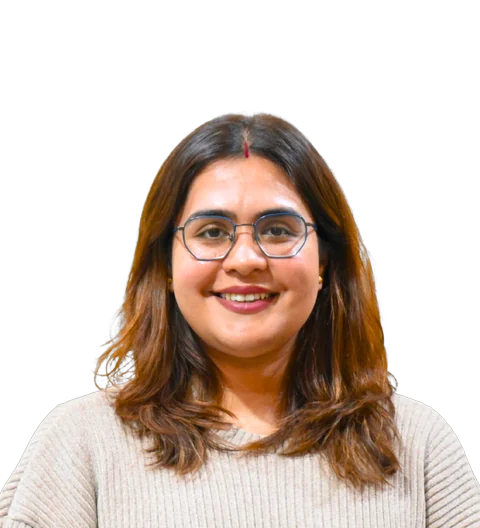 Clinically reviewed by Dr. Barkha ChikaraChief Medical Officer, MD (Psychiatry) from NIMHANS · Last reviewed October 2026
Gambling disorder is a lasting pattern of gambling that continues despite harm to money, relationships and work, with difficulty controlling it. It includes online betting and fantasy sports apps. It is a recognised health condition, and therapy and financial support can help.
About 1 in 10 adults in India lives with a mental disorder (National Mental Health Survey, 2015-16). You are not alone.
At a glance
Common signs
- Preoccupation with gambling
- Needing to gamble with increasing amounts
- Failed attempts to control gambling
- Restlessness when trying to cut down
How it is usually treated
- CBT for gambling disorder
- Motivational interviewing
- Financial counselling integration
- Gamblers Anonymous
Where to start
A free pre-consultation call, then a video assessment with a psychiatrist. In danger? Call 112, or Tele-MANAS on 14416.
Book your free pre-consultation callRegistered clinicians: psychiatrists with their State Medical Council, psychologists with the Rehabilitation Council of India.
Signs
Tick any that feel familiar. This is not a diagnosis, only a clinician can assess you.
0 ticked. If these have been with you for a while, a free pre-consultation call is a good next step.
Book your free pre-consultation callHow people often describe it
- “I cannot stop betting even after big losses”
- “I hide my gambling from my family”
- “I borrow money to gamble”
- “I think the next bet will win it all back”
People who live with gambling disorder may also notice depression, anxiety or substance use. If any of these sound familiar, mention them to your clinician so your plan can cover them.
When to get help soon
Get help soon if debts are growing, you have hidden money from family, or you have thoughts of harming yourself. Call Tele-MANAS on 14416 or 112.
How it is diagnosed
A psychiatrist asks about how gambling started, how often, how much, what is lost, and checks for depression, anxiety, alcohol use and ADHD.
Treatment and support
- CBT for gambling, which targets urges and thinking about wins and losses
- Motivational interviewing
- Practical money steps: limiting access to funds, financial counselling
- Gamblers Anonymous or similar groups
- Family support
- Treating related depression or anxiety
How Mindly helps
Mindly's psychiatrists assess and offer therapy and practical planning online. All care is online, by video.
Your first appointment
A psychiatrist asks without judgement about what you use or do, how often, and how it affects health, work and family, and checks for mood or anxiety problems alongside.
Who is involved
A psychiatrist leads care with a clinical psychologist for therapy, and tells you if in-person or medically supervised care is safer.
Between sessions
Reviews track cravings, triggers and setbacks, and a setback is treated as part of recovery, not a failure.
What to expect
- Free pre-consultation callWe take your history and details, and match you with the right clinician.
- First consultationA video call in your language, with a clinician who already has your report.
- Your planYour clinician agrees a plan with you: therapy, medicine or both, as suits you.
- Follow-up reviewsRegular check-ins, and your plan is adjusted as you recover.
- Staying wellSupport to keep you well and catch early signs of a setback.
Every Mindly plan includes a second opinion from our Chief Medical Officer, a diagnosis-first approach and regular tracking of your recovery. How Mindly care works
Book your free pre-consultation callYour privacy and confidentiality. What you share with Mindly Health stays between you and your care team. Your conversations, reports and messages are treated as confidential and shared only with the team members involved in your care, apart from the limited cases where the law requires it or someone's safety is at serious risk. Read our Privacy Policy and your rights under the Mental Healthcare Act.
Common questions
Is gambling addiction treatable?
Yes. Many people stop or reduce gambling with therapy and support.
Does online betting count?
Yes. Online betting and fantasy sports can cause the same harm.
How can family help?
Protect finances, avoid blame and encourage a consultation.
If you or someone near you is in danger, call 112. For free support at any hour, call Tele-MANAS on 14416. Mindly Health is not an emergency service.
Clinicians with a focus in this area
 Dr. Vineet PaliFounder & COO, Psychiatrist
 Dr. Samarth S ShettyPsychiatrist
- Dr. Barkha ChikaraCo-Founder & Chief Medical Officer, Psychiatrist
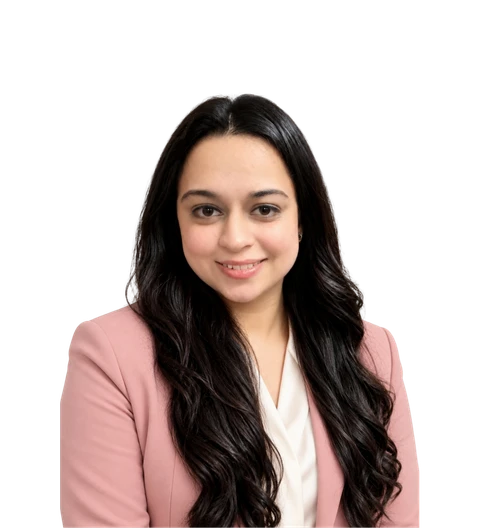 Ms. Janvi KhokharClinical Psychologist
Online care in your city
Every consultation is by video, from wherever you are. Choose your city to see how it works.