
Borderline personality disorder (BPD)
 Clinically reviewed by Dr. Barkha ChikaraChief Medical Officer, MD (Psychiatry) from NIMHANS · Last reviewed October 2026
Borderline personality disorder is a condition marked by intense, fast-changing emotions, an unstable sense of self, fear of abandonment and difficulty in close relationships. It often has roots in difficult early experiences. It is treatable, especially with structured therapies such as dialectical behaviour therapy.
About 1 in 10 adults in India lives with a mental disorder (National Mental Health Survey, 2015-16). You are not alone.
At a glance
Common signs
- Intense fear of abandonment
- Unstable relationships
- Unstable self-image
- Impulsive behaviour
How it is usually treated
- Dialectical Behaviour Therapy
- Schema Therapy
- Mentalization-Based Treatment
- Medication for specific symptoms
Where to start
A free pre-consultation call, then a video assessment with a psychiatrist. In danger? Call 112, or Tele-MANAS on 14416.
Book your free pre-consultation callRegistered clinicians: psychiatrists with their State Medical Council, psychologists with the Rehabilitation Council of India.
Signs
Tick any that feel familiar. This is not a diagnosis, only a clinician can assess you.
0 ticked. If these have been with you for a while, a free pre-consultation call is a good next step.
Book your free pre-consultation callHow people often describe it
- “My emotions swing very fast and very strongly”
- “I am terrified of being abandoned”
- “My relationships are intense and unstable”
- “I feel empty and hurt myself when upset”
People who live with borderline personality disorder may also notice depression, PTSD or substance use. If any of these sound familiar, mention them to your clinician so your plan can cover them.
When to get help soon
If you are thinking of harming yourself, call Tele-MANAS on 14416 or 112 now, or go to the nearest hospital. Tell someone you trust.
How it is diagnosed
A psychiatrist takes a detailed history over more than one session, covering emotions, relationships, self-view and past experiences, and checks for depression, trauma and other conditions. A label is used carefully.
Treatment and support
- Dialectical behaviour therapy (DBT), a skills-based therapy
- Schema therapy and mentalization-based therapy
- Crisis and safety planning
- Family or partner education
- Treating related depression, anxiety or substance use
How Mindly helps
Mindly's psychiatrists assess carefully and offer structured therapy with safety planning. All care is online, by video.
Your first appointment
A psychiatrist takes time to understand long-standing patterns in relationships, emotions and stress, and how they affect your life now.
Who is involved
Longer-term therapy with a clinical psychologist is often central, with a psychiatrist overseeing the overall plan.
Between sessions
Progress is gradual, and reviews are steady and non-judgemental.
What to expect
- Free pre-consultation callWe take your history and details, and match you with the right clinician.
- First consultationA video call in your language, with a clinician who already has your report.
- Your planYour clinician agrees a plan with you: therapy, medicine or both, as suits you.
- Follow-up reviewsRegular check-ins, and your plan is adjusted as you recover.
- Staying wellSupport to keep you well and catch early signs of a setback.
Every Mindly plan includes a second opinion from our Chief Medical Officer, a diagnosis-first approach and regular tracking of your recovery. How Mindly care works
Book your free pre-consultation callYour privacy and confidentiality. What you share with Mindly Health stays between you and your care team. Your conversations, reports and messages are treated as confidential and shared only with the team members involved in your care, apart from the limited cases where the law requires it or someone's safety is at serious risk. Read our Privacy Policy and your rights under the Mental Healthcare Act.
Common questions
Is BPD the same as bipolar disorder?
No. Bipolar disorder involves episodes of high and low mood lasting days to weeks. In BPD, emotions shift quickly, often within hours, in response to events and relationships.
Can BPD be treated effectively?
Yes. Many people improve a great deal with structured therapy over time.
Is it a character flaw?
No. It is a recognised condition linked to emotional vulnerability and life experiences.
If you or someone near you is in danger, call 112. For free support at any hour, call Tele-MANAS on 14416. Mindly Health is not an emergency service.
Clinicians with a focus in this area
 Ms. Kamakshi SabharwalClinical Psychologist
 Muskan Jain DesaiClinical Psychologist
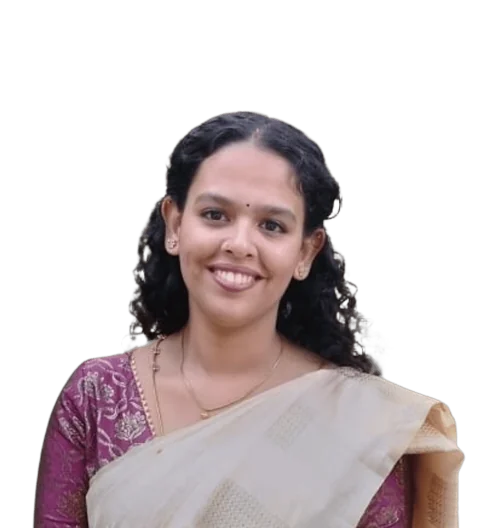 Dr. Divya GurunathanPsychiatrist - Women's Mental Health & Child Psychiatry
 Ms. Janvi KhokharClinical Psychologist
 Dr. Pooja RaniPsychiatrist
Online care in your city
Every consultation is by video, from wherever you are. Choose your city to see how it works.