
Hindi-speaking psychiatrists and psychologists for addiction and substance use, online
Yes. Mindly has 6 Hindi-speaking clinicians who treat addiction and substance use by video consultation, from anywhere in India. Start with a free call and we match you to the clinician who fits.
Last updated 2 November 2026
Hindi-speaking clinicians who treat addiction and substance use
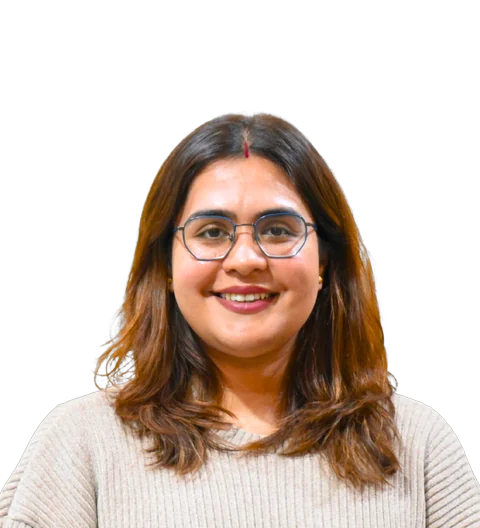 Dr. Barkha ChikaraPsychiatrist · Registration no. RMC88407Speaks English, Hindi.Profile lists: OCD (core area), neurodivergence, trauma-related disorders, substance use, psychotic disorders.
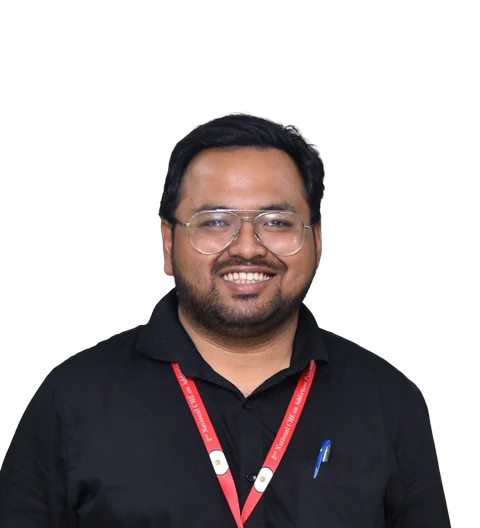 Dr. Dhritiman DasPsychiatrist · Registration no. OCMR 26418/2021Speaks English, Hindi, Bengali, Odia, Assamese.Profile lists: Trauma, schizophrenia, OCD, bipolar disorder, social anxiety, panic disorder, addiction, ADHD.
 Dr. Samarth S ShettyPsychiatristSpeaks English, Hindi, Kannada, Telugu, Tamil, Tulu.Profile lists: Mood disorders including treatment-resistant depression and bipolar disorder, OCD, addiction psychiatry, child and adolescent psychiatry, neuropsychiatry.
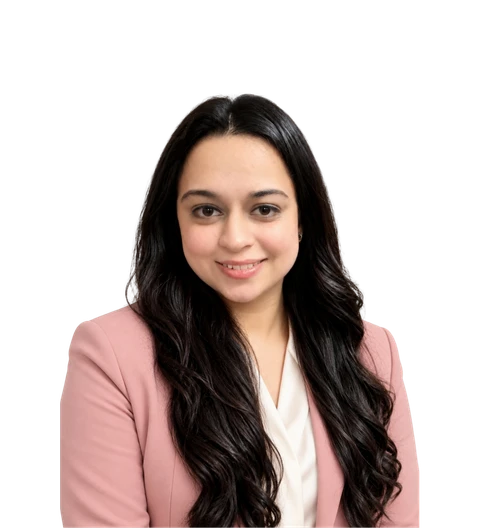 Ms. Janvi KhokharClinical Psychologist · RCI CRR no. A114758Speaks English, Hindi.Profile lists: Anxiety and OCD, depression, trauma, personality, psychosis rehabilitation, addiction.
 Ms. Kamakshi SabharwalClinical Psychologist · RCI CRR no. A116016Speaks English, Hindi.Profile lists: Anxiety and mood disorders, OCD, personality-related concerns, substance use.
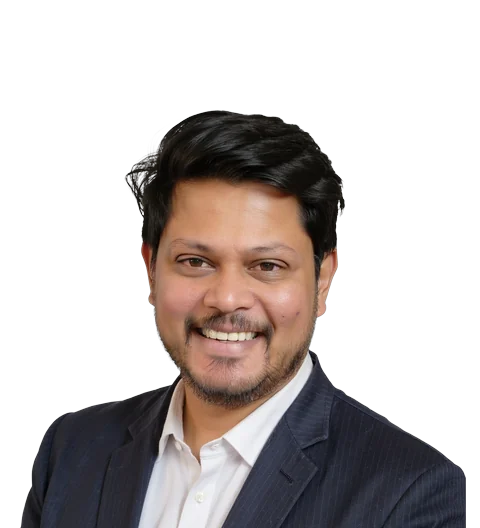 Dr. Vineet PaliPsychiatristSpeaks English, Hindi.Profile lists: Addiction psychiatry, treatment-resistant schizophrenia (clozapine), CBT for insomnia, habit reversal.
We match you on your free call, without promising a specific person.
Why Hindi matters for addiction and substance use
Alcohol, tobacco, cannabis, opioids and sedatives are hard to talk about in any language, and shame makes it harder. In Hindi, the vocabulary is loaded: nasha, lat and aadat carry judgement, and families may talk about willpower or about the person's character. A clinician who treats this as a health condition and speaks to you in Hindi, without lecture or moral language, makes it easier to be honest about how much and how often, which is the basis of a safe plan. Six Mindly clinicians speak Hindi and list addiction or substance use, so a family member who is worried can also be involved, with your permission, in the same language.
What a first consultation in Hindi looks like
In a first Hindi consultation your clinician will ask what you use, how much, how often, and what happens when you stop or cut down. This is for safety, since stopping some substances suddenly can be dangerous without medical advice. You will then agree on a goal, which may be stopping, cutting down or staying safe. The plan can combine counselling, medicine and family involvement.
Before your first Hindi consultation
Be ready to say plainly what you use, how much and how often, and what happens when you stop. Honest numbers help your psychiatrist keep you safe. Do not stop suddenly beforehand if you drink heavily or take sedatives, as this can be dangerous. A family member can join part of the call if you wish.
What online care for addiction and substance use involves
Care for substance use starts with an honest picture of what you use, how much and how often, any health effects, and any danger from stopping suddenly. Your psychiatrist advises on whether supervised withdrawal is needed, and on medicine that can reduce cravings or prevent relapse where appropriate. Counselling and motivational approaches help you set your own goal and cope with triggers. Family members can be involved with your permission. Regular video follow-up supports recovery between visits and picks up setbacks early.
Psychiatrist or psychologist for addiction and substance use?
Start with a psychiatrist if you use heavily, have withdrawal symptoms, or have another mental health condition. A psychologist can lead counselling and relapse-prevention therapy, often alongside medical care. Read how psychiatrists, psychologists and counsellors differ. Psychiatrists prescribe; psychologists provide therapy and do not prescribe.
Related reading
- Substance use disorders
- Hindi-speaking psychiatrist online
- Psychiatrist, psychologist or counsellor?
- Find care by language and concern
- Hindi-speaking clinicians for anxiety
- Hindi-speaking clinicians for depression
Book your free pre-consultation call
Your privacy and confidentiality. What you share with Mindly Health stays between you and your care team. Your conversations, reports and messages are treated as confidential and shared only with the team members involved in your care, apart from the limited cases where the law requires it or someone's safety is at serious risk. Read our Privacy Policy and your rights under the Mental Healthcare Act.
Common questions
Can addiction be treated without admission to a centre?
For many people, yes: outpatient care with a psychiatrist and counselling works. Some people need supervised withdrawal or inpatient care, and your psychiatrist will tell you if that applies.
Is it safe to stop alcohol suddenly?
Not always. Stopping heavy, long-term drinking suddenly can cause serious withdrawal. Please speak to a doctor before stopping, and seek urgent help in an emergency by calling 112.
My family member will not admit there is a problem. What can I do?
You can call us for guidance on how to talk to them and what support is available. Treatment works best when the person agrees, so our team will not contact them without their consent.
Is what I say confidential?
Yes. Your consultations are confidential, apart from the limited situations in which the law requires disclosure or someone's safety is at serious risk.
References
Mindly Health is not an emergency service. If someone is in immediate danger, call 112 or go to the nearest hospital. For free support at any hour, call Tele-MANAS on 14416.