
Tamil-speaking psychiatrists and psychologists for trauma and PTSD, online
Yes. Mindly has one Tamil-speaking clinician who treats trauma and PTSD by video consultation, from anywhere in India. Start with a free call and we confirm their availability for you.
Last updated 2 November 2026
Tamil-speaking clinician who treats trauma and PTSD
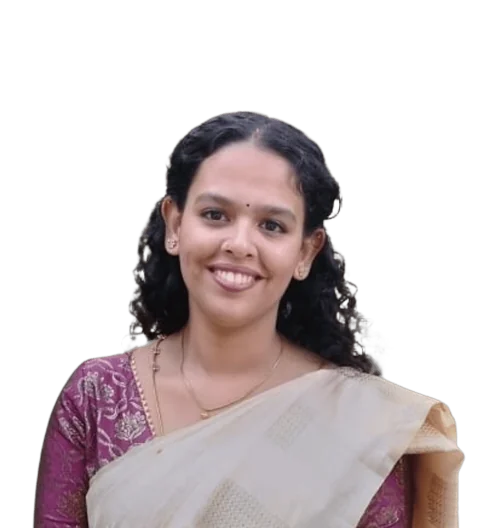 Dr. Divya GurunathanPsychiatrist · Registration no. TNMC 156112Speaks English, Kannada, Tamil, Malayalam.Profile lists: ADHD, anxiety and OCD, mood disorders, psychotic disorders, PTSD and trauma-related disorders, personality disorders.
Only one Mindly clinician currently lists both this language and this concern, so on your free call we confirm availability and, if the timing does not suit you, suggest the next best option.
Why Tamil matters for trauma and PTSD
Trauma is often carried quietly in Tamil-speaking families. After an accident, a loss, violence or a disaster, people are encouraged to be strong, to move on and to avoid speaking about it. The distress may then show up as broken sleep, sudden fear, anger, numbness or body pain, and is described as manasu bharam or simply "I am not myself". Speaking in Tamil can make it easier to describe memories and feelings at your own pace, without having to translate something painful into a second language first.
What a first consultation in Tamil looks like
A first trauma consultation is not a request to retell everything. Your psychiatrist will begin with how you are now: sleep, nightmares, startle, avoidance, mood and safety. You decide how much of the story to share and can pause at any time. Your psychiatrist will explain what is happening in plain Tamil, discuss trauma-focused therapy and, where sleep or mood are badly affected, talk about whether medicine could help. A plan for the next few weeks is agreed before the call ends.
Before your first Tamil consultation
You do not need to prepare an account of what happened. Think instead about what you would like help with first, such as sleep, nightmares, fear in certain places or feeling numb. Choose a private room, keep water and a tissue nearby, and tell someone you trust that you will be on a call. You can pause or stop at any time.
What online care for trauma and PTSD involves
Care for trauma begins with building safety and trust, then an assessment of symptoms such as intrusive memories, nightmares, avoidance, startle and low mood. The first-line treatments are trauma-focused therapies, which help the mind process the event at a manageable pace, and you are never pushed to share more than you choose. A psychiatrist can consider medicine for sleep, mood or anxiety that accompany trauma. Sessions can be paused or slowed at any point, and your clinician agrees a plan for what to do if you feel overwhelmed.
Psychiatrist or psychologist for trauma and PTSD?
Trauma-focused therapy is usually led by a psychologist or a psychiatrist trained in it. See a psychiatrist if sleep, mood or anxiety are severely affected, or if you have thoughts of harming yourself. Read how psychiatrists, psychologists and counsellors differ. Psychiatrists prescribe; psychologists provide therapy and do not prescribe.
Related reading
- Post-traumatic stress disorder
- Tamil-speaking psychiatrist online
- Psychiatrist, psychologist or counsellor?
- Find care by language and concern
- Tamil-speaking clinicians for anxiety
- Tamil-speaking clinicians for depression
Book your free pre-consultation call
Your privacy and confidentiality. What you share with Mindly Health stays between you and your care team. Your conversations, reports and messages are treated as confidential and shared only with the team members involved in your care, apart from the limited cases where the law requires it or someone's safety is at serious risk. Read our Privacy Policy and your rights under the Mental Healthcare Act.
Common questions
Do I have to describe what happened?
No. You share only what you are comfortable with. The first step is understanding your symptoms and building safety, and the details can come later, if at all.
Can trauma be treated online?
Yes, many people do well with online care when they have a private room and a plan for difficult moments. Your psychiatrist will check whether video suits you.
It happened years ago. Is it too late?
No. People seek help for trauma many years later, and treatment can still help with memories, sleep and mood.
What if I feel overwhelmed during the call?
Tell your clinician and you will pause or use a grounding step. If you ever feel unsafe, call 112, or Tele-MANAS on 14416 for free support at any hour.
References
Mindly Health is not an emergency service. If someone is in immediate danger, call 112 or go to the nearest hospital. For free support at any hour, call Tele-MANAS on 14416.