
Kannada-speaking psychiatrists and psychologists for trauma and PTSD, online
Yes. Mindly has 2 Kannada-speaking clinicians who treat trauma and PTSD by video consultation, from anywhere in India. Start with a free call and we match you to the clinician who fits.
Last updated 2 November 2026
Kannada-speaking clinicians who treat trauma and PTSD
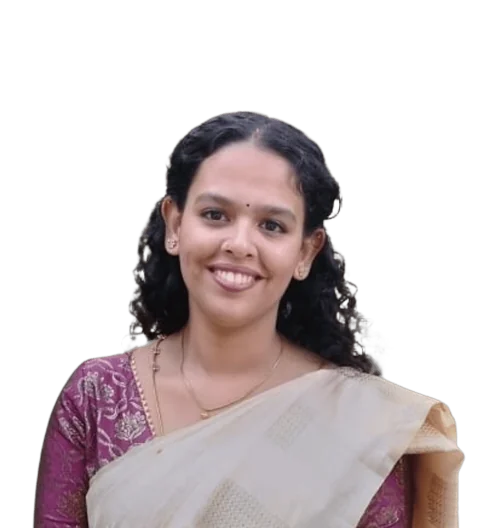 Dr. Divya GurunathanPsychiatrist · Registration no. TNMC 156112Speaks English, Kannada, Tamil, Malayalam.Profile lists: ADHD, anxiety and OCD, mood disorders, psychotic disorders, PTSD and trauma-related disorders, personality disorders.
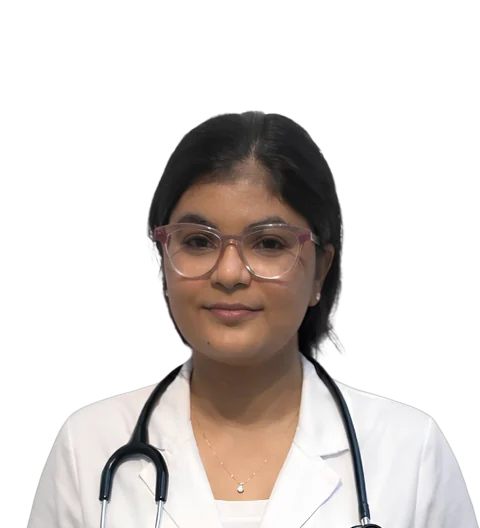 Dr. Pooja RaniPsychiatrist · Registration no. 129565Speaks English, Hindi, Kannada, Telugu.Profile lists: Anxiety, depression, OCD, ADHD, eating disorders, PTSD, personality and psychotic disorders.
We match you on your free call, without promising a specific person.
Why Kannada matters for trauma and PTSD
Trauma is often described in Kannada through its effects rather than its cause: nidde baralla (cannot sleep), hedarike (fear), aaghaata (shock). People who grew up in Karnataka may have experienced road accidents, domestic violence, bereavement or abuse that was never discussed. The trauma may be tied to a place, a person or a family secret, and being able to talk about it in the language of home matters. Two Mindly clinicians speak Kannada and list trauma-related disorders or PTSD. Therapy is paced so you are never asked to share more than you want to, and your clinician will go at the speed you choose.
What a first consultation in Kannada looks like
In your first Kannada consultation, your clinician will ask about current symptoms, including sleep, nightmares, startle and avoidance, and about what keeps you safe and supported now. You will not be asked to detail the event. The plan may include stabilisation skills, trauma-focused therapy and, if needed, medicine for sleep or mood.
Before your first Kannada consultation
You do not need to prepare a story. Think about what you want help with now, such as sleep, nightmares or avoiding certain places. Find a private room and let your clinician know if you would like to pause or slow down at any point.
What online care for trauma and PTSD involves
Care for trauma begins with building safety and trust, then an assessment of symptoms such as intrusive memories, nightmares, avoidance, startle and low mood. The first-line treatments are trauma-focused therapies, which help the mind process the event at a manageable pace, and you are never pushed to share more than you choose. A psychiatrist can consider medicine for sleep, mood or anxiety that accompany trauma. Sessions can be paused or slowed at any point, and your clinician agrees a plan for what to do if you feel overwhelmed.
Psychiatrist or psychologist for trauma and PTSD?
Trauma-focused therapy is usually led by a psychologist or a psychiatrist trained in it. See a psychiatrist if sleep, mood or anxiety are severely affected, or if you have thoughts of harming yourself. Read how psychiatrists, psychologists and counsellors differ. Psychiatrists prescribe; psychologists provide therapy and do not prescribe.
Related reading
- Post-traumatic stress disorder
- Kannada-speaking psychiatrist online
- Psychiatrist, psychologist or counsellor?
- Find care by language and concern
- Kannada-speaking clinicians for anxiety
- Kannada-speaking clinicians for depression
Book your free pre-consultation call
Your privacy and confidentiality. What you share with Mindly Health stays between you and your care team. Your conversations, reports and messages are treated as confidential and shared only with the team members involved in your care, apart from the limited cases where the law requires it or someone's safety is at serious risk. Read our Privacy Policy and your rights under the Mental Healthcare Act.
Common questions
Do I have to talk about what happened?
Not in detail, and not until you are ready. The first step in trauma care is usually building safety and coping skills.
Can PTSD appear years after the event?
Yes. Symptoms can begin months or even years later, or return at a stressful time. That does not mean you are overreacting.
Is online therapy safe for trauma?
For many people, yes, especially in a private space at home. Your clinician will agree a plan for what to do if a session becomes distressing. For emergencies call 112.
Which Kannada-speaking clinicians treat trauma?
The clinicians listed above speak Kannada and list trauma on their profiles. After a free call, we match you with the one who fits.
References
Mindly Health is not an emergency service. If someone is in immediate danger, call 112 or go to the nearest hospital. For free support at any hour, call Tele-MANAS on 14416.