
Assamese-speaking psychiatrists and psychologists for psychosis and schizophrenia, online
Yes. Mindly has one Assamese-speaking clinician who treats psychosis and schizophrenia by video consultation, from anywhere in India. Start with a free call and we confirm their availability for you.
Last updated 2 November 2026
Assamese-speaking clinician who treats psychosis and schizophrenia
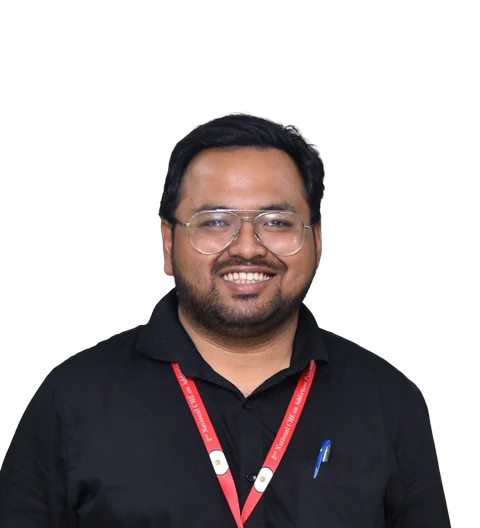 Dr. Dhritiman DasPsychiatrist · Registration no. OCMR 26418/2021Speaks English, Hindi, Bengali, Odia, Assamese.Profile lists: Trauma, schizophrenia, OCD, bipolar disorder, social anxiety, panic disorder, addiction, ADHD.
Only one Mindly clinician currently lists both this language and this concern, so on your free call we confirm availability and, if the timing does not suit you, suggest the next best option.
Why Assamese matters for psychosis and schizophrenia
When someone in an Assamese-speaking family begins to hear voices, to trust no one or to stop caring for themselves, relatives often search for explanations in stress, spiritual causes or a weak mind, and hesitate over the word pagol. The delay is understandable, but earlier treatment usually leads to better recovery. A psychiatrist who speaks Assamese can talk to the person and the family in the same language, explain what psychosis is, and make clear that it is a medical condition that responds to treatment and not anyone's fault.
Relatives caring for someone with psychosis often become exhausted and isolated. An Assamese-language consultation gives them a place to ask what to say when the person describes a belief that is not true, whether to argue or stay quiet, and how to stay safe. Practical advice, such as keeping routines steady, avoiding confrontation and agreeing a plan with the psychiatrist for a bad night, is often as valuable to the family as the medical explanation is to the patient.
What a first consultation in Assamese looks like
A first consultation hears what the person has experienced, how long, and how sleep, work and relationships have changed. Alcohol, cannabis and medical causes are checked, and a relative is usually asked to add their account. Safety is assessed, and the plan is explained to everyone in Assamese, covering medicine, expected progress and follow-up. If the person is unwilling to attend, a relative can call first and we will advise on the best way forward. Where the person has been unwell for some time, the psychiatrist also asks what has already been tried, including any earlier medicines, so that nothing is repeated without reason and the first step is as practical as possible.
Before your first Assamese consultation
Keep a simple diary for a few days: sleep hours, meals, anything the person says that worries you and what you did in response. Have old medical papers ready. Ask the person if they want to take part, and if they do not, call us for guidance instead. For immediate danger, ring 112.
What online care for psychosis and schizophrenia involves
Care for psychosis begins with understanding what the person has experienced, how long, and whether substances, medical illness or mood disorder contribute. Treatment usually centres on antipsychotic medicine, with careful attention to side effects, together with psychological and family support and help to return to work or study. Regular reviews check symptoms, sleep and physical health. Families are given a clear explanation and a plan for warning signs. If someone needs urgent or in-person care, your psychiatrist will say so and help you arrange it.
Psychiatrist or psychologist for psychosis and schizophrenia?
Psychosis needs a psychiatrist, who diagnoses and prescribes. A psychologist can add therapy, rehabilitation and family work as recovery progresses. Read how psychiatrists, psychologists and counsellors differ. Psychiatrists prescribe; psychologists provide therapy and do not prescribe.
Related reading
- Psychosis
- Assamese-speaking psychiatrist online
- Psychiatrist, psychologist or counsellor?
- Find care by language and concern
- Assamese-speaking clinicians for OCD
- Assamese-speaking clinicians for bipolar disorder
Book your free pre-consultation call
Your privacy and confidentiality. What you share with Mindly Health stays between you and your care team. Your conversations, reports and messages are treated as confidential and shared only with the team members involved in your care, apart from the limited cases where the law requires it or someone's safety is at serious risk. Read our Privacy Policy and your rights under the Mental Healthcare Act.
Common questions
Can a family member call before the person agrees to attend?
Yes. You can describe what has changed and get guidance on supporting the person to seek care.
Is psychosis a lifelong condition?
It varies. Some people have one episode and recover fully, and others need longer-term treatment. Early care improves the outlook.
What if the person is in danger?
Call 112 or go to the nearest hospital emergency department. Mindly is not an emergency service.
Which Assamese-speaking clinician treats psychosis?
One Mindly psychiatrist currently lists both Assamese and psychotic disorders. We confirm availability on your free call.
References
Mindly Health is not an emergency service. If someone is in immediate danger, call 112 or go to the nearest hospital. For free support at any hour, call Tele-MANAS on 14416.